Key takeaways
- Stitch count is the main cost driver, and it rises with logo size, fill and detail.
- Digitizing turns your logo into a stitch file and is typically a one-time setup per design.
- Each extra placement adds stitches and machine time.
- Per-piece prices usually drop as quantity goes up, though less sharply than screen printing.
- Send your logo, garment, quantity, placements and deadline for an accurate quote.
How much does embroidery cost? There is no single price, because embroidery is usually priced by the work the machine does: how many stitches your design needs, how many places it goes, what it is stitched onto, and how many pieces you order. A new design also typically needs a one-time setup called digitizing.
This guide explains each of those cost drivers so you can plan a budget and ask for a quote with confidence. Vinyl Cutz embroiders in-house in Salinas, and every embroidery price is confirmed in a quote by email, so use this as a guide to what moves the number, not a price list.
How embroidery is priced: the short version
Most embroidery shops build prices from two things at once: stitch count and quantity. Embroidery software maker Wilcom explains that embroidery companies have traditionally used a "stitch count vs quantity matrix" to set prices, with a price table based on the number of stitches and the number of products. Wilcom also notes that setup is usually a fixed cost, and that the number of pieces "dramatically affects cost" because fixed costs like order processing and job setup are spread across every piece.
On top of that, the blank garment has its own price, and extra placements add more stitches.
Cost factors at a glance
| Cost factor | What it means | How it moves the price |
|---|---|---|
| Stitch count | Total stitches in the design | More stitches means more machine time and a higher price |
| Design size and fill | How big the logo is and how much is solid fill | Larger and denser designs need more stitches |
| Number of placements | Left chest, back, sleeve, hat side and so on | Each added location adds stitches and handling |
| Thread colors | Color changes and specialty threads | Can add cost, though usually less than stitch count |
| Garment | The blank polo, hoodie, cap or jacket | Each item has its own base price |
| Quantity | Number of pieces with the same design | Per-piece cost usually falls as quantity rises |
| Digitizing | Turning your art into a stitch file | Typically a one-time setup per new design |
Stitch count and design size
Stitch count is the biggest lever. Embroidery equipment supplier ColDesi puts it simply: "the more stitches, the higher the price," and charging per 1,000 stitches is a common method. In Printful's embroidery vs screen printing guide, a 10,000-stitch design costs roughly double a 5,000-stitch one, because price is driven by stitch count and machine time.
What raises stitch count?
- Size: a full-back design needs far more stitches than a small left-chest logo.
- Solid fills: large filled areas use many more stitches than outlines or lettering.
- Detail: fine shading and many small elements add stitches and slow the machine.
As a general industry example, Printful's pricing article cites an industry average of $1 to $3 per thousand stitches. That is a broad industry figure, not Vinyl Cutz pricing; your quote reflects your actual design and order.
What is embroidery digitizing?
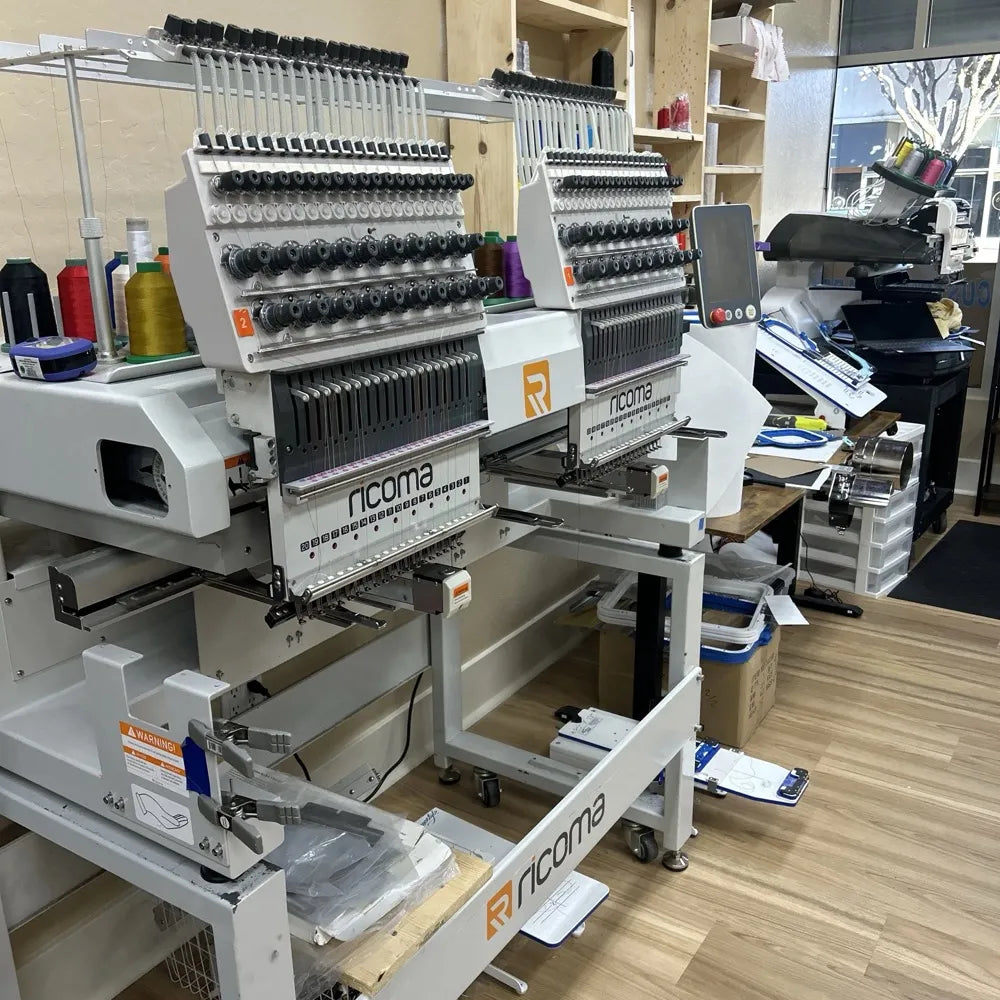
Embroidery machines do not read a JPG or PNG. Your logo has to be rebuilt as a stitch file first, and that process is called digitizing. A Northeastern University makerspace guide describes it as software making the "paths" for the embroidery machine. The file sets the stitch types, such as dense tatami fills for backgrounds and smooth satin stitches for borders and letters. The same guide warns that a detailed image that looks great in print can look messy as embroidery, which is why art often needs simplifying.
Why digitizing is usually a one-time fee
Once a design is digitized, the stitch file can be reused on reorders. ColDesi advises shops to "charge a one-time fee for new designs," and Printful charges a one-time digitization fee per new design that sellers can then reuse without paying again. That is the general industry pattern. Whether a digitizing fee applies to your order, and how much it is, is something we confirm in your quote.
Placements, thread colors and the garment
Number of placements
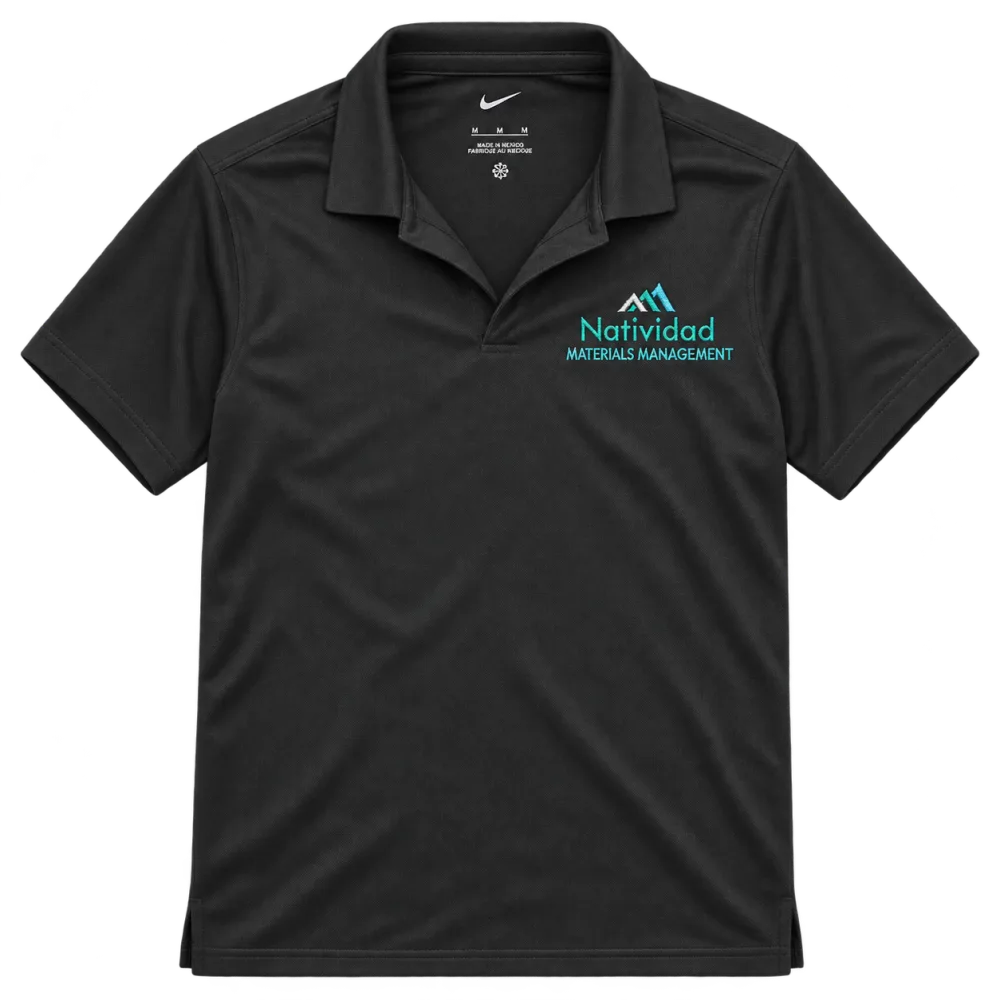
Each spot you add is another run on the machine. Printful notes that extra placements, such as the back or a sleeve, "increase stitch count and machine time." A left-chest logo plus a sleeve name will cost more than the chest logo alone.
Thread colors
Sources weigh color differently. ColDesi says more colors or threads raise the cost and that specialty threads like metallics can raise it further. Printful's comparison guide says embroidery price is driven by stitch count and machine time, not color count. In practice, stitch count usually matters more, but many colors and specialty threads can still add to the total.
The garment
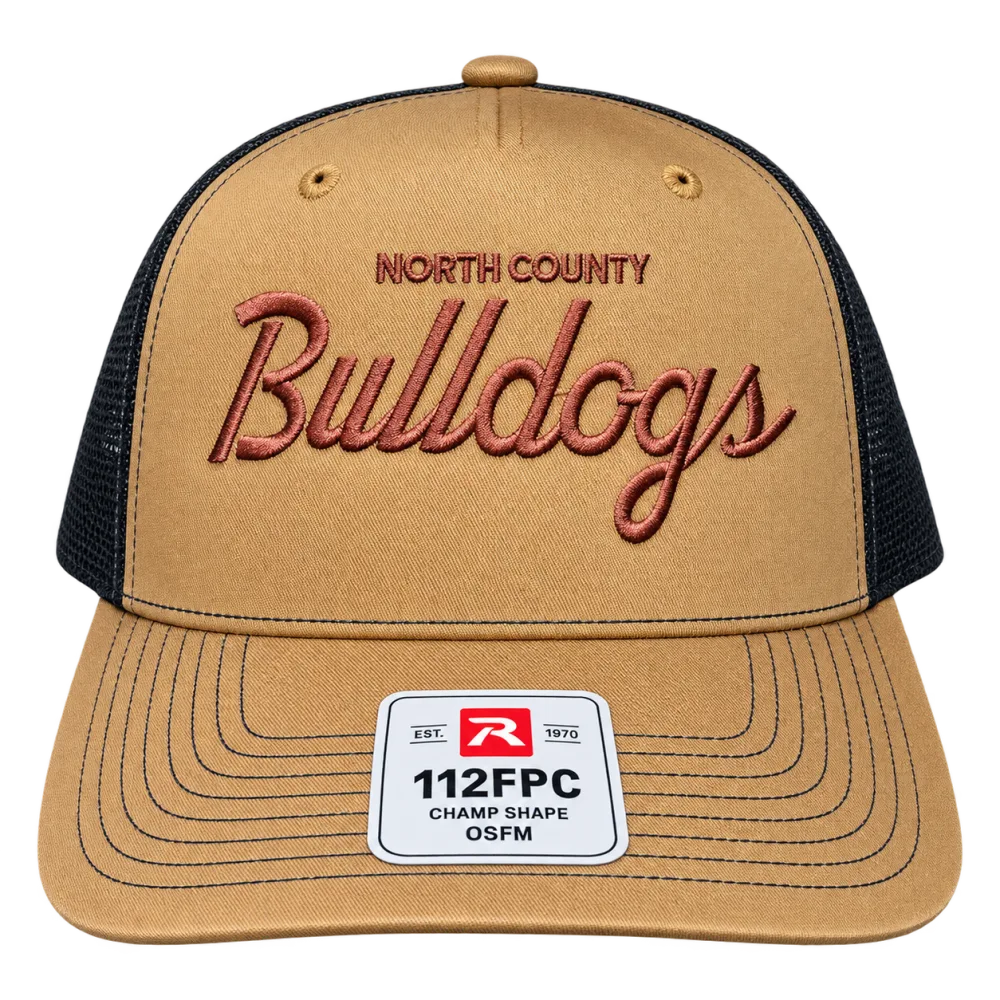
The blank item is part of every quote. Printful's pricing article notes that "every blank item has a different price," and that a custom hat will cost less than a jacket, which may need stronger backing and longer stitch times. Choosing a polo, cap or hoodie that fits your budget is one of the easiest ways to control cost. For hats specifically, our guide to custom embroidered hats covers styles and logo sizes.
Quantity and minimums
Larger orders usually lower the per-piece price. Wilcom notes that the cost per 1,000 stitches should fall as quantity increases, and ColDesi recommends tiered pricing for larger orders. Printful's comparison adds a useful nuance: quantity matters less for embroidery than for screen printing, and a small chest logo costs roughly the same per piece at five units or five hundred.
People often search for custom embroidery with no minimum. Minimums vary from shop to shop. For your order, ask us and we will confirm any minimum in your quote.
Embroidery vs screen printing for cost
The two methods price on different things. According to Printful's comparison:
- Screen printing needs a screen for each color, and those screens cost the same no matter how many shirts you order. Setup spreads across the run, so big orders get much cheaper per piece and small runs are expensive.
- Embroidery is priced mostly by stitch count and machine time. It is workable at any quantity, including single pieces, so it is often the better value for small orders.
- Durability: Printful describes embroidery as extremely durable, often lasting as long as the garment, while screen prints can crack or fade with repeated washing.
So is embroidery more expensive than printing? For large runs of simple prints, screen printing usually wins on price. For small orders, polos, caps and logos where a stitched look matters, embroidery is often competitive. For a wider comparison of print methods, see DTF vs screen printing vs DTG.
How to lower your embroidery cost
- Size it right: a left-chest logo uses far fewer stitches than a large back design.
- Simplify the art: reduce solid fills, tiny text and fine detail.
- Limit placements: pick the one or two spots that matter most.
- Keep one design: reusing the same digitized file on reorders avoids new setup.
- Order together: combining pieces into one larger order can reach a lower price tier.
- Choose the blank wisely: the garment can be a big share of the total.
How to get an accurate quote
Send these details through the embroidery quote form:
- Logo file: vector (AI, EPS, PDF or SVG) is ideal; a high-resolution PNG also helps.
- Garment: item type, brand if you have one in mind, colors and sizes.
- Quantity: total pieces and the split by color and size.
- Placements: where each logo goes and roughly how big.
- Thread colors: brand colors or let us suggest options.
- Deadline: the date you need everything in hand.
Vinyl Cutz is at 838 S Main St, Suite B, Salinas, CA 93901. Call or text (831) 540-0287 with questions. Pick up at the shop or choose shipping.
Frequently asked questions
What is digitizing and why is it a one-time fee?
Digitizing turns your logo into a stitch file an embroidery machine can read, mapping the stitch paths and stitch types. It takes skilled setup work, but once the file exists it can be reused on reorders of that design. That is why many shops charge it once per new design rather than on every order. Ask us whether a digitizing fee applies and we will confirm it in your quote.
How does stitch count affect embroidery price?
Stitch count is usually the biggest factor because it sets how long the machine runs. Larger logos, solid fills and fine detail all add stitches. Printful's guide gives the example that a 10,000-stitch design costs roughly double a 5,000-stitch one. Many shops price per thousand stitches, so shrinking or simplifying a design is one of the most direct ways to lower the price.
Is there a minimum order for custom embroidery?
Minimum order quantities differ from shop to shop, and some depend on the item or design. For embroidery at Vinyl Cutz, ask us and we will confirm any minimum in your quote. Include your total quantity and garment when you request a quote so we can give you an accurate answer and price for your specific order.
Is embroidery more expensive than printing?
It depends on quantity and design. Screen printing has setup costs for every color, so it gets much cheaper per piece on large runs but is expensive for small ones. Embroidery is priced mainly by stitch count and works at any quantity, so it is often competitive for small orders, polos and caps. Embroidery is also very durable and can last as long as the garment.
How can I lower the cost of custom embroidery?
Keep the logo small, like a left-chest size, and simplify large solid fills and tiny text to cut stitch count. Limit the number of placements, reuse the same design on reorders so there is no new setup, and combine pieces into one order to reach a better price tier. Choosing a lower-cost blank garment also helps, since the item is part of every quote.