Key takeaways
- Screen printing needs a screen for each color, so it pays off best on large runs.
- DTG prints straight onto the garment and feels softest on cotton, but dark shirts need pretreatment.
- DTF prints on film first, works on cotton, polyester, nylon and blends, and needs no fabric pretreatment.
- For polyester performance wear, equipment makers point to DTF; screen printing needs low-bleed inks.
- Sublimation only works on white or light polyester, so it is not a dark-shirt option.
DTF, screen printing and DTG can all make a great shirt; the right one depends on how many pieces you need, how many colors are in the design and what fabric you're printing on. In short: screen printing is usually the most cost-effective for large runs, DTG gives the softest print on cotton, and DTF handles small to mid runs, full-color art and polyester without pretreatment.
Vinyl Cutz makes DTF transfers and custom apparel in-house in Salinas. This guide compares the three methods side by side, then walks through common order scenarios so you can pick with confidence.
How each printing method works
Screen printing pushes ink through a mesh screen onto the shirt. Kornit explains that each color in the design needs its own screen, which means a longer setup and higher upfront cost, but the method is "highly cost-effective for large print runs."
DTG (direct to garment) works like an inkjet printer for shirts. Epson describes the result as "a soft, breathable print that moves with the fabric" because the ink is absorbed into the fibers. Epson's FAQ adds that when white ink is used for black or dark garments, pretreatment is required.
DTF (direct to film) prints the design onto a clear film, coats it with adhesive powder, cures it, and then heat presses it onto the garment. STAHLS' notes there is no pretreatment step because you print onto film instead of fabric. Many designs can be printed on one sheet, which is the idea behind a DTF gang sheet.
DTF vs DTG vs screen printing comparison
| Factor | DTF | DTG | Screen printing |
|---|---|---|---|
| Best order size | Small to mid runs and personalized pieces | One-offs and batches | High-volume runs |
| Colors and detail | High detail, fine lines and gradients | Complex, full-color designs | Each color needs its own screen |
| Fabrics | Cotton, polyester, nylon, blends, hats | Best on cotton; polyester needs special pretreatment | Strongest on cotton; more limited on synthetics |
| Dark garments | Yes, no fabric pretreatment | Yes, with white ink and pretreatment | Yes, usually over a white underbase |
| Feel | Sits on top of the fabric; durable and flexible | Soft; ink absorbed into the fabric | Depends on ink; water-based and discharge feel softest |
| Durability | Stretch- and wash-resistant | Great for everyday wear | Known for durability, especially on cotton |
| Setup | Minimal | Pretreatment for dark shirts; no screens | Screens and setup for every color |
Where each cell comes from: order size, detail, setup and screen printing durability are from Kornit's DTF vs screen printing comparison and Epson Europe's DTG page, which says screen printing only makes sense for high volumes because of its lengthy setup and that DTG performs best on cotton. Feel, fabric, pretreatment and durability for DTF and DTG are from Epson's DTG and DTFilm guide; Epson Europe adds that white ink is what lets its printers print on dark garments and in DTF mode. The screen printing underbase is from Screen Printing magazine, which says a white underbase blocks the garment color and makes the colors on top brighter. Ink feel is from GRAPHICS PRO, which notes water-based ink adheres to the garment "versus sitting on top" and that discharge gives a naturally soft hand.
Keep in mind that Kornit and Epson sell DTF and DTG equipment, so treat the comparisons as manufacturer guidance, not independent lab tests.
What drives the cost of each method
We won't quote a price per shirt here, because cost depends on your design, garments and quantity. What changes the math is where each method spends its money:
- Screen printing front-loads cost. Every color needs a screen and press setup, so a design with more colors costs more to start. Once the screens are made, each additional shirt is cheap to print, which is why Kornit calls it cost-effective for large runs.
- DTG has no screens, so there is little setup per design. Dark garments add a pretreatment step before printing, per Epson.
- DTF has minimal setup, per Kornit. Our 22-inch DTF gang sheets are priced by sheet size, from 22x30 ($18.50) up to 22x100 ($55.50), so packing several designs onto one sheet makes the most of it.
For custom apparel with garments included, send your design through the quote form and we'll confirm the details in your quote.
Which should you choose? Five common orders
One shirt or a few one-offs
Skip screen printing; making screens for one shirt rarely makes sense. Epson positions DTG for one-off work, and Kornit says DTF "excels in small runs and personalized pieces." If the shirt is polyester or you want to press it yourself, DTF is the simpler choice.
24 team shirts
Ask yourself two questions: does every shirt carry the same design, and how many colors are in it? Names and numbers that change on every shirt suit DTF, since each transfer can be different. A one- or two-color logo that is identical on every shirt is the kind of job where screen printing can make sense, because its setup is per color, not per shirt.
200 event shirts
Large runs of the same design are where screen printing usually shines, especially with few colors. If the design has many colors or photo detail, every extra color adds a screen and more setup, which is worth weighing against DTF. This is a good case for asking for a recommendation. Planning shirts for a family event? See our family reunion shirts guide.
Polyester performance wear
Epson Europe recommends DTFilm for polyester and notes DTG needs a special polyester pretreatment. Screen printing polyester has its own challenge: Kolormatrix warns that dyes in polyester can migrate into plastisol ink and discolor the print, so printers use special low-bleed inks.
Full-color photo prints
Photos and gradients need many colors and fine detail. Kornit rates DTF high for fine lines and gradients, and Epson says DTG handles complex designs on light and dark garments. Screen printing a photo means separating it into multiple screens.
DTF vs sublimation
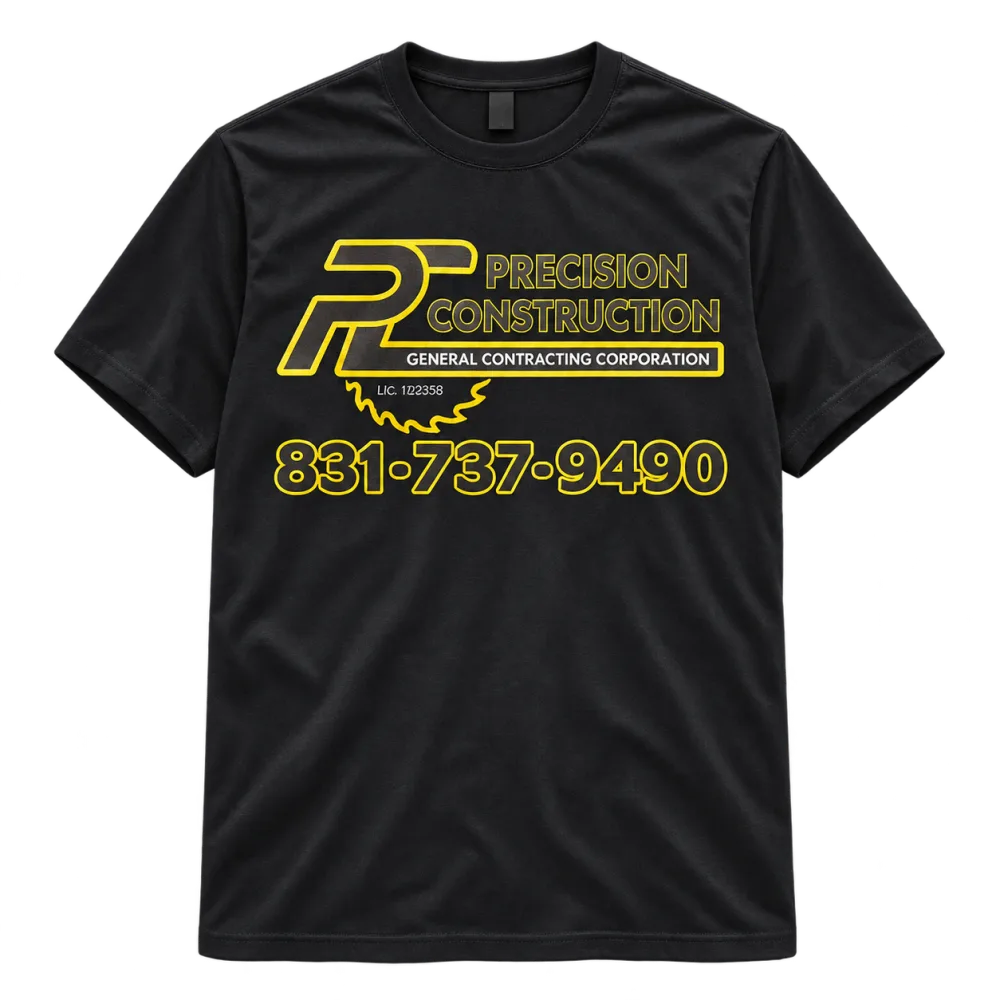
Sublimation is often mentioned alongside DTF, but it only fits a narrow set of shirts. GRAPHICS PRO explains that polyester shirts used for sublimation must be white or light colored, because the ink is not opaque and the fabric color always shows through. DTF, by contrast, works on cotton, polyester, nylon and blends (Epson), including dark garments. For a black cotton tee, sublimation is not an option.
Get a recommendation for your order
Every method has a sweet spot: screen printing for big identical runs, DTG for soft prints on cotton, and DTF for small to mid runs, full color and mixed fabrics. If you already have print-ready art, you can build a DTF gang sheet online and press it yourself. For finished shirts, Vinyl Cutz at 838 S Main St, Suite B in Salinas can help; call or text (831) 540-0287 or send your details through the quote form.
Frequently asked questions
Which lasts longest: DTF, DTG or screen printing?
All three can last when applied and cared for correctly. Kornit says screen printing is known for its durability, especially on cotton. Epson describes DTF as stretch- and wash-resistant and DTG as great for everyday wear. Wash life varies by product and by how the print was applied: STAHLS', for example, says its UltraColor MAX DTF transfers are wash tested to 50 cycles, while Kornit lists its own DTF wash test results.
Which is cheapest for small vs large orders?
For small orders, DTF and DTG usually win because there are no screens to make. Kornit says DTF has minimal setup and excels in small runs, while screen printing has higher upfront costs but is highly cost-effective for large runs. Where the crossover falls depends on the number of colors and garments, so send your design for a quote to compare.
Which works on dark shirts and polyester?
All three can print dark shirts: DTG needs white ink and pretreatment, screen printing uses a white underbase, and DTF needs no fabric pretreatment. For polyester, Epson recommends DTF film and says DTG needs a special polyester pretreatment. Screen printing polyester calls for low-bleed inks to stop dye migration. Sublimation only works on white or light polyester.
Does DTF feel heavy on a shirt?
Epson says DTF sits on top of the fabric, while DTG ink is absorbed into the fibers. Epson also describes DTF as durable and flexible, and Kornit says it offers a soft hand-feel. If the softest possible feel on cotton is your top priority, ask about it when you request a quote.
Is DTF printing good quality?
Yes. Kornit rates DTF high for print detail, including fine lines and gradients, and credits it with a broad color gamut. Epson says it works on almost any fabric, including polyester and nylon. Quality still depends on the artwork: upload transparent PNG files at 300 DPI at print size, as our gang sheet product page recommends.